
How to Get Rid of a Stye: Causes, Symptoms, and Treatment
A stye can make your eyelid red, swollen and sore. These small bumps often appear near the eyelashes and may look like a pimple, but they grow from an infection in an eyelid gland or eyelash follicle.
Most styes settle down with simple home care, and some need treatment from an eye doctor. Knowing what causes a stye, how to ease the discomfort and when to have it checked can help you protect your eye health.
Quick answer
Most styes clear up in one to two weeks with warm compresses and gentle eyelid cleaning. Do not squeeze or pop the bump. Call your eye doctor if it keeps growing, lasts longer than two weeks, or comes with spreading redness, swelling, fever, vision changes or severe pain.
What Causes a Stye on Your Eyelid?
A stye, also called a hordeolum, usually develops when bacteria infect an oil-producing gland in your eyelid or a gland linked to an eyelash follicle. The infection causes inflammation, which shows up as a tender, swollen bump.
Styes can form along the eyelid edge or deeper inside the eyelid. They are often caused by bacteria such as Staphylococcus, which commonly live on the skin.
Certain factors can raise your chances of developing a stye, including blepharitis (ongoing eyelid inflammation), poor eyelid hygiene, and touching your eyes with unwashed hands.
Common Symptoms of an Eye Stye
A stye usually affects one eyelid, though you can develop more than one at a time. Symptoms may include:
- A red, tender bump near the eyelid edge
- Swelling or redness around the eyelid
- Pain or sensitivity when you touch the area
- Watery eyes or mild irritation
- Crusting around the eyelashes
- A small yellow or white spot if the stye develops a pus-filled center
A stye can sometimes look like a chalazion, which forms when an eyelid oil gland becomes blocked. Unlike a stye, a chalazion is usually less painful and is not typically caused by an active bacterial infection.
A comprehensive eye exam can help your eye doctor work out which condition is causing your symptoms.
How Long Does a Stye Usually Last?
Many styes improve within a few days and clear within one to two weeks. Some take longer, especially if the inflammation is more severe or the affected gland stays blocked.
A stye may also drain on its own as it heals. Avoid squeezing or popping it, since that can spread infection or make the inflammation worse.
If the bump does not improve after several days of home care, keeps growing, or lasts more than one to two weeks, contact your eye doctor in Brookings, SD for an evaluation.
How to Treat a Stye at Home
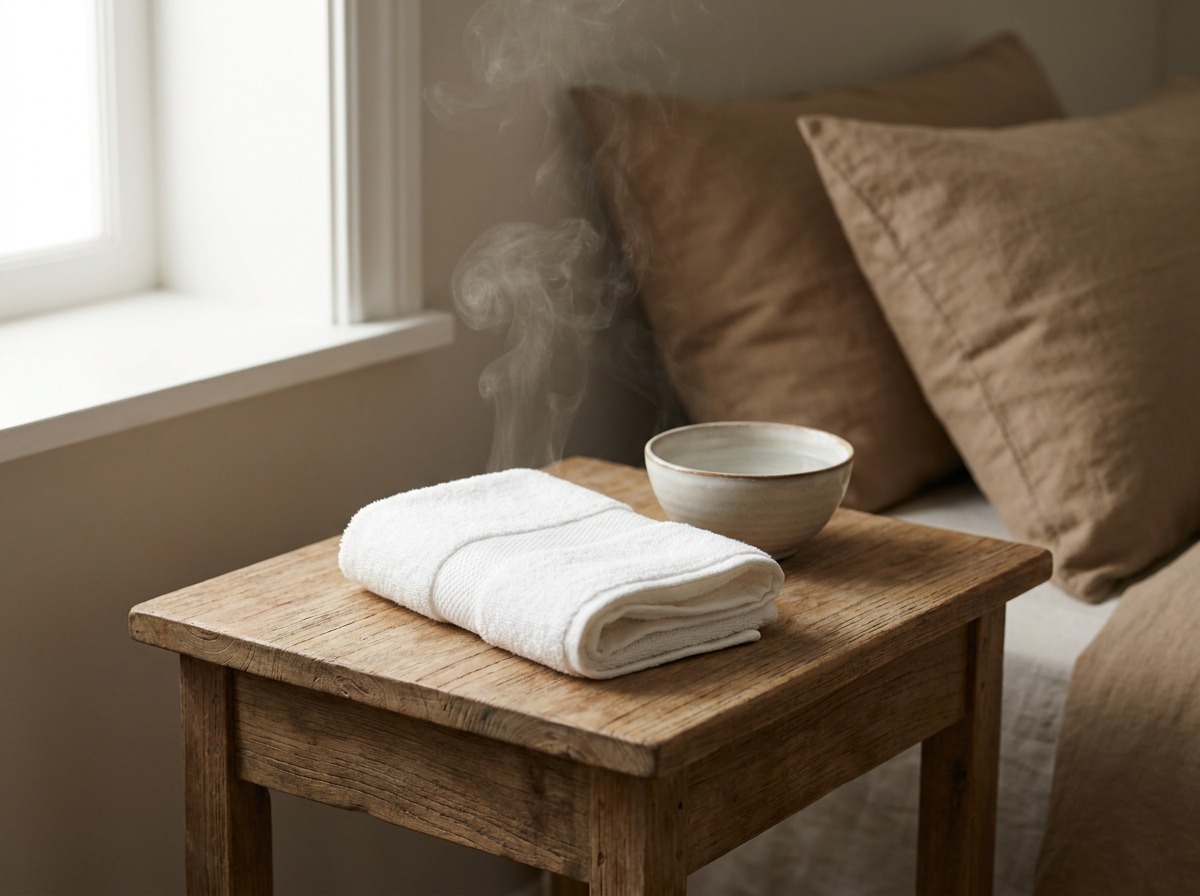
Warm compresses are often the first step in managing a stye. Gentle warmth may encourage drainage and help relieve discomfort.
Apply a Warm Compress
Soak a clean washcloth in warm (not hot) water. Place it over your closed eyelid for about 10 to 15 minutes, three to four times a day.
Rewarm the cloth as needed, and use a clean washcloth each time. The compress should feel comfortably warm, not hot enough to burn your skin.
Keep Your Eyelids Clean
Gently clean your eyelids to remove crusting or discharge. Avoid rubbing your eyes, and wash your hands before and after touching the area.
It is also best to avoid eye makeup and contact lenses until the stye has healed. Glasses can correct your vision while your eyelid recovers.
Avoid Squeezing or Popping the Stye
A stye may look like a pimple, but squeezing it can worsen inflammation and possibly spread infection.
Let it drain on its own. If it does not improve, your eye doctor can decide whether you need more treatment.
When a Stye Needs an Eye Doctor's Care
Most styes do not need antibiotics or surgery. Your eye doctor may recommend treatment if the infection keeps going, gets worse, or spreads beyond the affected gland.
Antibiotics may help in certain cases, particularly when the tissue around the eyelid becomes infected. Occasionally, a stye that will not settle may need to be drained.
Seek prompt medical attention if you have significant swelling, worsening redness, fever, vision changes or severe pain. Redness or swelling that spreads around the eye also needs urgent evaluation.
How to Help Prevent Styes
You cannot prevent every stye, but good eyelid hygiene may help lower your risk, especially if you have had them before.
Wash your hands before touching your eyes, remove eye makeup carefully before bed, and avoid sharing makeup or towels. Replace old eye makeup regularly and keep reusable makeup tools clean.
If you have blepharitis or get styes often, your eye doctor may suggest an ongoing eyelid cleaning routine to help manage inflammation. You can also explore our eye care services to see how we can help.
Stye Questions We Hear Often
Can I wear contacts with a stye?
No. Skip your contact lenses until the stye has healed, and wear your glasses instead. Contacts can keep bacteria against your eye and slow healing.
Should I pop a stye?
No. Popping a stye can push the infection deeper and make the swelling worse. Warm compresses and gentle cleaning are safer, and a stye will often drain on its own.
When should I call 20/20 FAMILY VISION?
Call us if the bump keeps growing, lasts more than one to two weeks, or comes with spreading redness, swelling, fever, vision changes or severe pain.
Get Relief from Eyelid Irritation at 20/20 FAMILY VISION
A painful eyelid bump can make it hard to focus on your day. Many styes settle with home care, though swelling that lingers or infections that keep coming back may need a closer look.
At 20/20 FAMILY VISION in Brookings, SD, our team can examine your eyelids, find the cause of your symptoms and recommend the right treatment.
Contact 20/20 FAMILY VISION at 605-692-2020 to request an appointment and get help managing styes or other eyelid concerns. You can also contact our office with any questions.
